This glossary presents several medical terms in the field of health. Indeed, this one was created by myself and presents twenty varied terms whether they are diseases, names of operations, places in hospital centers, members and organisms of the body, or the state of the corp/disease or infection. Later, I would very much like to work in the field of health, but more precisely as a surgeon, it is for this reason that I am in Nature Science in college. Unfortunately, my grades are currently not high enough for me to go straight into medicine at university. So I would probably go to occupational therapy, nutrition or physiotherapy at university and then maybe try again in medicine. I created this glossary with my general knowledge and that of my mother who is a nurse team leader in the operating room of the Saint-Sacrement Hospital. This summer, I was hired in this same hospital center as an administrative agent, in two departments; Day surgery and preoperative clinic of breast diseases. Basically, at day surgery, I had to prepare patient files for their surgery the next day and call them to give them their surgery times. In the preoperative clinic, I had to communicate with the patients to schedule their preoperative exams and then their surgery dates. Hence my knowledge of several medical words. So my glossary will be for people who are new to the health field. People who, like me, will work in a hospital center as an administrative officer or another job that will require a certain basis in medical terms. So this glossary could help people who are new to quickly understand the terms that the specialists around them use a lot. Having lived the experience of a young student who has very little or no basis in hospital terms, it would have helped me a lot to better understand the functioning, the tasks, and the explanations that I sometimes gave to patients. This glossary, however, is by no really complete and verified by experts, so I suggest those who use it polish off their jargon by reading on the internet by simply typing in medical terms. Otherwise, such a "pushed" language could simply require studies in the field.
administer
verb
to give remedially
administer a dose of medicine
Example: The doctor had to administer a tranquilizer. The patient was too hectic.
fr: administrer
Anesthetist
noun
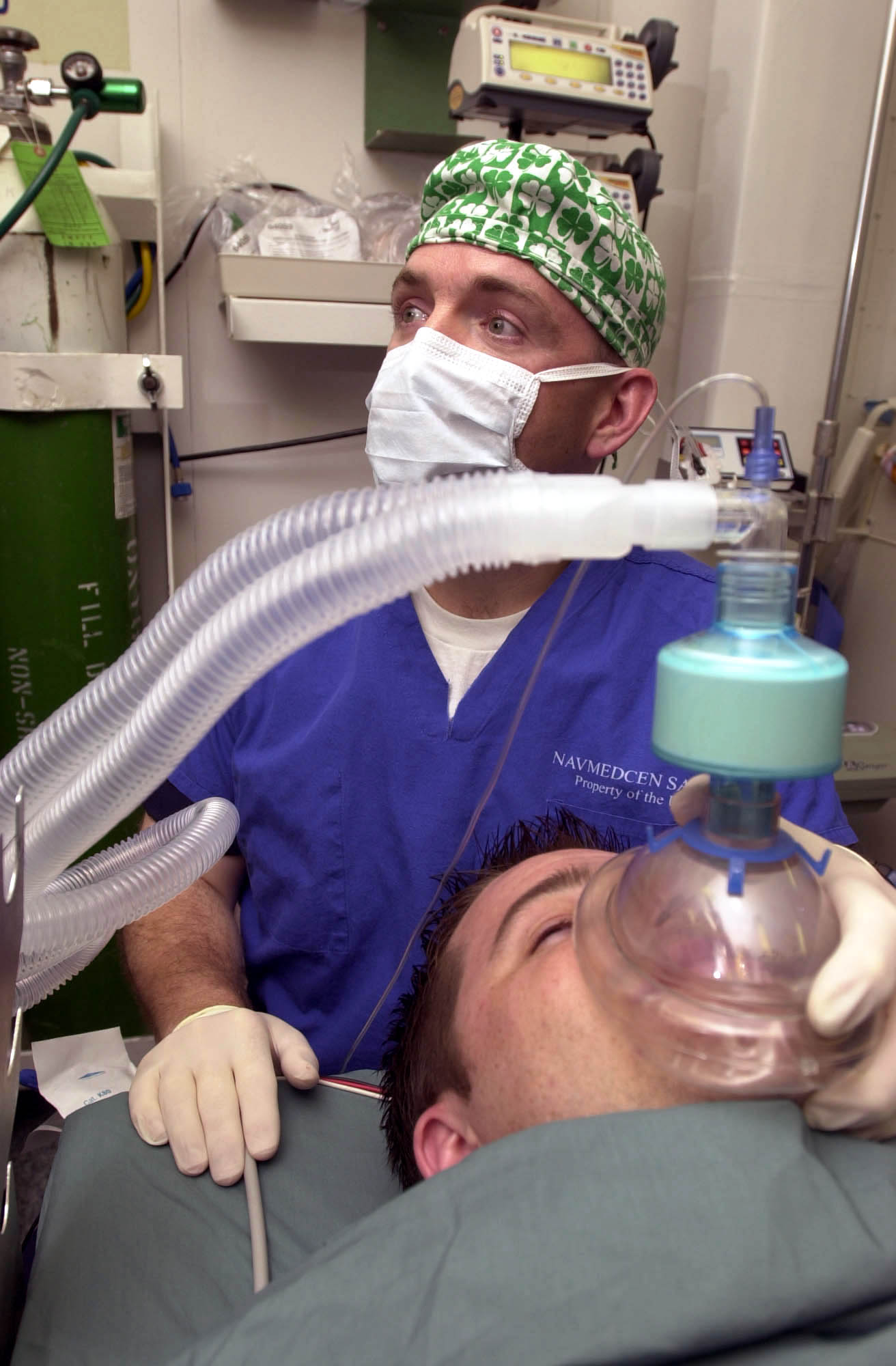
An anesthetist is the doctor in charge of the anesthesia technique used during an operation. He decides after consultation with the patient, according to his state of health and the surgery to plan the anesthesia preferable for this one. This can be a general anesthesia, that is to say anesthesia where the patient is completely put to sleep, or a regional anesthesia where only a member of the patient's body is frozen. Finally, the anesthetist is assisted by a respiratory therapist, that is to say a nurse anesthetist who prepares, checks the material and also monitors the patient.
Example: The operation had to be canceled because the patient tested positive and since the anesthesia was general, the anesthetist fears that the risks of contagion are too high for the operation to take place.
fr: Anesthésiste
Appendix
noun
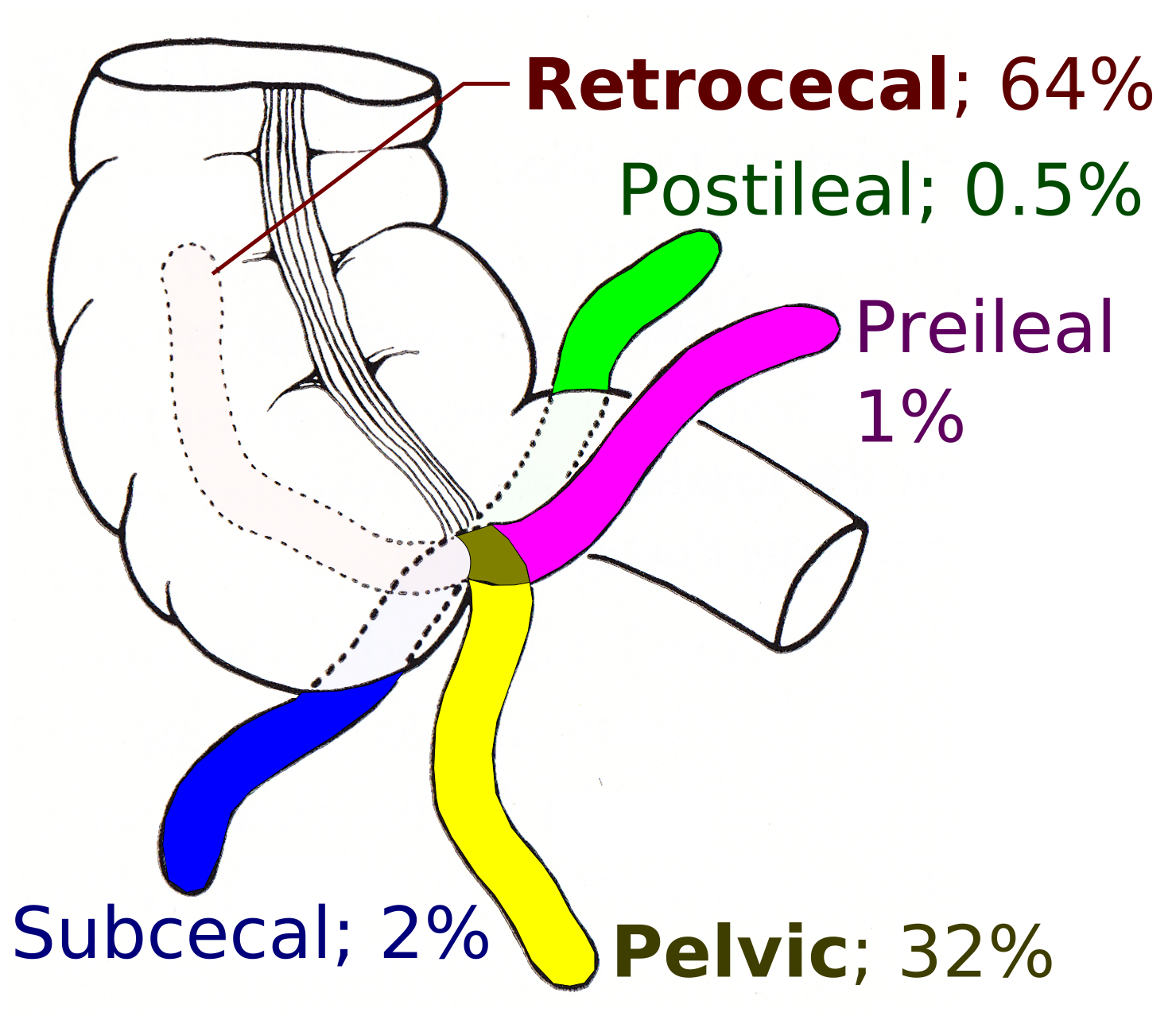
a tube-shaped sac attached to and opening into the lower end of the large intestine in humans and some other mammals
Example: I'm merely standing in while Stella is having her appendix out
fr: Appendice
benign
adjective
Not cancer. Benign tumors may grow larger but do not spread to other parts of the body. Also called nonmalignant.
Example: The results of the tests carried out on the unknown mass on the patient's forearm reveal that it is benign.
fr: bénin
cholecystectomy
noun
Cholecystectomy is the surgical removal of the gallbladder. Cholecystectomy is a common treatment of symptomatic gallstones and other gallbladder conditions.
Example: Dre St-Germain had to do an cholecycystectomy for a patient's gallbladder.
fr: endocholécystectomie
day surgery
noun
Day surgery is a department where patients are treated after an operation, but where they stay only a few hours before returning home if their condition allows them.
Example: This patient will not be hospitalized. He will go to day surgery and can go home the same day.
fr: Chirurgie d'un jour
dialysis
noun
When kidneys fail, dialysis acts as a replacement. Dialysis is an artificial process that uses a special fluid containing a mixture of pure water and chemicals to carefully eliminate wastes, salt, and extra water from the blood without removing substances the body needs. This process helps control blood pressure and keeps the body’s electrolytes in images (18)balance by keeping safe levels of potassium, sodium, and bicarbonate in the blood.
Example: Dr. Leblanc is going to give you dialysis to filter your blood. Your kidneys don't work well and can no longer do it on their own.
fr: dialyse
Dilaudid
noun
Hydromorphone (dilaudid) is used to relieve pain. Hydromorphone extended-release tablets are used to relieve severe pain in people who are expected to need pain medication around the clock for a long time and who cannot be treated with other medications. Hydromorphone extended-release tablets should only be used to treat people who are tolerant (used to the effects of the medication) to opioid medications because they have taken this type of medication for at least one week and should not be used to treat mild or moderate pain, short-term pain, pain after an operation or medical or dental procedure, or pain that can be controlled by medication that is taken as needed. Hydromorphone is in a class of medications called opiate (narcotic) analgesics. It works by changing the way the brain and nervous system respond to pain
Example: I gave this patient Dilaudide. He was in a lot of pain and the doctor gave me the ok.
fr: Dilaudide
electrocardiogram
noun
electrocardiogram
Example: Hello Miss Tremblay,
Dre. Leblanc demand you to pass an electrocardiogram before your surgery.
fr: électrocardiogramme
gallbladder
noun
The small sac-shaped organ beneath the liver, in which bile is stored after secretion by the liver and before release into the intestine.
Example: We had to operate a on a emergency patient for a gallbladder.
fr: vésicule biliaire
herniated disc
noun
A herniated disk refers to a problem with one of the rubbery cushions (disks) that sit between the bones (vertebrae) that stack to make your spine. A spinal disk has a soft, jellylike center (nucleus) encased in a tougher, rubbery exterior (annulus).
Example: This patient is suffering from a herniated disc, we will have to operate on him as soon as possible.
fr: hernie discale
hospitalization
noun
Admission to hospital for treatment which will require at least one night's stay in the hospital.
Example: Serious cases involving liver damage may require hospitalization.
fr: Hospitalisation
margin recovery
noun
Surgical margin refers to the presence of cancerous tissue in contact with the inked boundaries of the part removed during resection. Surgical margin analysis helps establish a reliable prognosis for future cancer progression and risk of recurrence
Example: This patient had a partial mastectomy months ago. Unfortunately, his cancer recurred. So we have to make him a margin takeover.
fr: Reprise de marge
partial mastectomy
noun
Surgery to remove cancer or other abnormal tissue from the breast and some normal tissue around it, but not the breast itself. Some lymph nodes under the arm may be removed for biopsy. Part of the chest wall lining may also be removed if the cancer is near it. Also called breast-conserving surgery, breast-sparing surgery, lumpectomy, quadrantectomy, and segmental mastectomy.
Example: This patient has confirmed right breast cancer. We will have to give him a partial mastectomy within a maximum of 4 weeks.
fr: mastectomie partielle
pulmonology
noun
A branch of medicine that specializes in diagnosing and treating diseases of the lungs and other parts of the respiratory system. These diseases include asthma, emphysema, tuberculosis, and pneumonia.
Example: Hi miss Tremblay,
Dre. Bergeron Giguère demand you to asks you to go to a pulmonology consultation before scheduling your surgery.
fr: pneumologie
santella lymph node
noun
The first lymph node to which cancer is likely to spread from the primary tumor. When cancer spreads, the cancer cells may appear first in the sentinel node before spreading to other lymph nodes
Example: This patient has breast cancer. Before her intervention for her partial mastectomy, she will have to go to nuclear medicine to receive an injection that will color the santine lymph nodes in her breast, which are cancerous.
fr: ganglion lymphatique de santelle
thyroid
noun
A large cartilage of the larynx, a projection of which forms the Adam's apple in humans
Example: Thyroid and kidney function tests carried out in medecine cartillge.
fr: Thyroïde
To palpate
Verb
To examine by touch especially medically.
Example: Dr. Bergeron palpate the lump on my arm and she asked me to do x-rays.
fr: Palper
Tonsils
noun
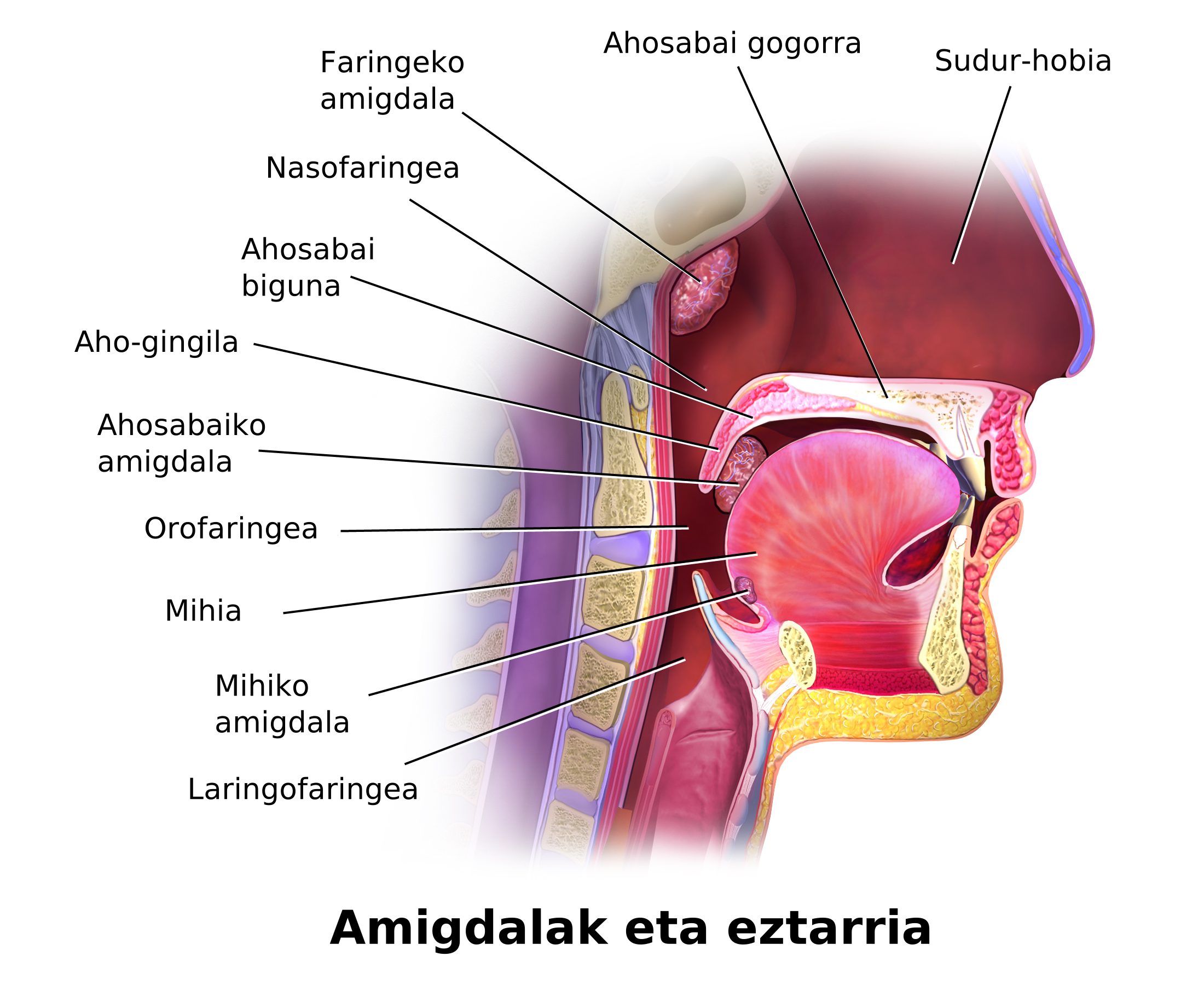
Either of two small masses of lymphoid tissue in the throat, One on each side of the root of the tongue.
Example: We had to remove the tonsils from this child because he had tonsillitis too often.
fr: Amygdales
tympanic tubes
noun
Ear tubes are tiny, hollow cylinders that are surgically inserted into the eardrum. This opening enables drainage of the middle ear, allows air to flow into the middle ear and prevents the buildup of fluids behind the eardrum. An ear tube is usually made of metal or plastic
Example: This child has many ear infections. We'll have to operate on him and put tympanic tubes in him.